
Live
Guidance and Self Search
Families can begin with a Self Search directly or use LittleBlueCup.org for clear guidance through the first steps.
Press-ready background, current information, approved wording and media guidance for LittleBlueCup and #CupForBen.
#CupForBen began in November 2016 and became a major UK and international media story. As its tenth anniversary approaches, LittleBlueCup is a live, community-powered Search platform built around human kindness.
Nearly ten years after #CupForBen, LittleBlueCup is a genuine technology platform helping families search for exact little things that can mean the world to one person.
Families begin with a Self Search. They can go directly to the Self Search community or start at LittleBlueCup.org for guidance. If the item is still needed afterwards, they can ask LittleBlueCup to help carry the Search much further.
A larger audience matters because every additional person is another possible route to the item. The ultimate measure is not how many people saw a post. It is whether the right person eventually saw it.
Live
Families can begin with a Self Search directly or use LittleBlueCup.org for clear guidance through the first steps.
Live
If the right item is still missing after Self Search, a family can ask for wider help. LittleBlueCup can prepare and publish a permanent Search page.
Current service
Current Search pages, account-backed conversations, safer contact routes, staff review and human moderation work together in the live service.
Ongoing
LittleBlueCup records progress, publishes suitable updates and brings Searches back into view when they still need help.
Expanding
Social channels, newsletters, community sharing and media coverage give each Search more possible routes to the right person.
Ongoing
Millie continues improving the technology while a small volunteer team applies human judgement, care, investigation and communication.
In November 2016, Millie asked people online to help find a very particular blue Tommee Tippee cup for her son, Ben.
The Search became #CupForBen and went viral. It was covered across major UK television news programmes, newspapers, radio and online media, then reported and shared around the world.
Thousands of people shared the story, searched cupboards, drawers, lofts and shops, contacted relatives and tried to find the exact cup.
In 2017, BBC Newsbeat named #CupForBen among 10 of Twitter’s biggest hashtags.
The story mattered because it showed that an object which appears ordinary to most people can be connected to comfort, communication, regulation, routine and safety for the person who relies on it.
LittleBlueCup helps families look for exact, difficult-to-replace things that may be worth almost nothing to anyone else, but mean everything to the person who needs them.
It may be a teddy, cup, blanket, toy, jumper, pair of pyjamas or another everyday object with almost no value to anybody else. To one person it may be irreplaceable.
Families begin with Self Search. If the right item is still missing, LittleBlueCup can help carry the Search further through a permanent Search page, carefully written stories, refreshes, community sharing and wider publicity.
Every LittleBlueCup Search remains free to the family. Millie sets its rules, makes the final decisions and remains accountable for how it is run, with a small volunteer team helping make the work possible.
About LittleBlueCupLittleBlueCup grew from the original #CupForBen Search.
In November 2016, Millie asked for help finding a replacement blue Tommee Tippee cup for her son, Ben. The exact cup had become difficult to obtain, and a similar cup was not an effective replacement.
The Search spread around the world. People checked homes, shops, lofts, cupboards and forgotten boxes. Replacement cups began arriving from people who had understood why one small object mattered so much.

LittleBlueCup never stopped mattering to Millie.
The problem was that the original project depended on one person manually remembering and managing far too much. Every family, item, photograph, permission, offer, update, refresh and social post had to be tracked somehow. Millie tried databases and different ways of organising the work, but the system still depended on her micromanaging almost everything herself.
That was not sustainable.
More importantly, Millie did not want to promise a family that she would keep helping with a Search unless she could be confident that the family, the item and the Search would not simply be forgotten among everything else.
When #CupForBen happened in 2016, Millie knew what she wanted LittleBlueCup to do, but she did not yet have the technical skills to build the platform needed to do it reliably at scale. Over the years she learned those skills. That changed what was possible.
LittleBlueCup is simple in idea but complicated to run well.
Show people the exact thing. Explain why it matters. Ask whether anybody can help. Doing that fairly across many families is much harder. Each Search needs its own story, images, permissions, status, contact route, moderation, refreshes and repeated opportunities to reach new people.
The platform can now keep track of the work that no individual human could reliably hold in their head at scale, including:
The aim is to give every Search repeated, fair opportunities to be seen. Some stories will naturally travel faster than others, but the system should not simply reward whichever Search attracts the most attention first.
Older Searches still matter. Quiet Searches still matter. The family who has been waiting six months matters just as much as the family whose Search was published today.
LittleBlueCup will continue to refresh and support a Search for as long as the family wants it to remain active. That does not promise identical numbers of posts or views. It means continuing to create fair opportunities for the Search to be seen.
The platform is designed to take repetitive administration and memory work away from people, not meaningful work. That gives Millie and the volunteer team more time to understand a family’s story, research an item, review information, communicate, follow promising leads, moderate safely and decide what needs attention.
Millie does not expect LittleBlueCup ever to be “finished” in the sense of becoming a fixed product that no longer changes. Technology moves quickly, social platforms change and better ways to organise work become possible. Development will continue alongside the Searches themselves.
Releasing something means it is ready to help. It does not mean there is nothing left to improve.
The ambition is always to improve the chances. There is no point at which Millie expects to decide the system is perfect and stop developing it.
Millie is LittleBlueCup’s founder, a parent and a builder with years of lived experience of disability, care and the systems families have to navigate.
When #CupForBen happened, Millie did not have the technical skills needed to build the platform LittleBlueCup would eventually require. Over the years she taught herself the skills needed to design and build increasingly complex websites, systems, workflows and apps.
LittleBlueCup is the clearest example of why: the project needed technology capable of remembering and organising things that no individual human could reliably hold in their head at scale.
Through Paper Armour, Millie also helps parents and carers understand paperwork and difficult systems, find reliable information, think through their options and work out where to go next.
That support is practical and informal: information, signposting, lived experience and sometimes simply giving somebody space to talk a problem through. It is not legal or professional advice.
Millie also builds practical apps, tools and systems around real-life problems, particularly where existing technology does not fit the people who need it.
LittleBlueCup is Millie’s project. Millie sets its rules, makes the final decisions and remains accountable for how it is run.
LittleBlueCup’s work is both human and technical. It includes the daily effort needed to keep individual Searches moving and the platform work that makes that effort reliable across many families.
That includes:
Growing LittleBlueCup’s social channels matters because each additional genuine follower increases the network through which a Search can travel. The challenge is keeping those audiences interested enough to keep noticing and sharing, using varied Search rotation, refreshes, progress, success stories and useful updates rather than repetitive posts.
Newsletters are another part of the Search network. Every additional reader is another possible route to the person who recognises the item, knows somebody who has one or forwards the Search to somebody who eventually does.
LittleBlueCup and Still Fighting newsletters are intended to keep useful information and Search updates available without an informational paywall. Readers may choose to support the work financially or receive supporter extras where available, but the core information remains free.
Millie wants the help families receive through LittleBlueCup and her wider family-support work to remain free wherever reasonably possible. The challenge is making enough time for that work without passing the cost directly to families who are already dealing with enough.
Millie is building a mixed, sustainable model around voluntary member support through Patreon, paid products and tools, partnerships and appropriate commercial work, alongside income that may grow around social media, newsletters and wider content. The aim is not to turn families asking for help into customers. It is to generate enough income around the free work that the help itself can remain free wherever possible.
Sustainable income can fund hosting, software, AI tools, email, storage, media, moderation, Search management, refreshes, distribution, newsletters, staff and volunteer systems, development, practical resources and, most importantly, human time.
A sustainable model also allows Millie to earn a living and support her own family while spending more of her working time helping other families. Those goals are not in conflict.
The following quotations may be used with attribution to Millie, founder of LittleBlueCup. Please contact LittleBlueCup if substantial editing or additional context is needed.
“The technology is not the point. It is what finally makes it possible to try to help many more families without losing track of the individual person behind each Search.”
“I didn't want to tell a family I would help them and then realise five minutes later that I couldn't reliably keep track of who they were or what they needed. Before LittleBlueCup could grow, I had to build the system that would let me keep that promise.”
“Virality is not the goal for its own sake. Every extra pair of eyes is another chance that somebody knows somebody who has the exact thing.”
“The item can be almost worthless to everybody else and still mean the world to the one person who needs it.”
“I do not want families who need help to become customers. I want to build enough sustainable income around the free work that I can keep giving them my time.”
“Automation handles the things computers are good at remembering; people handle the things that need judgement, care and empathy.”
LittleBlueCup helps families find the exact little things that may look ordinary to everyone else, but mean the world to the person who needs them.
LittleBlueCup is a community-powered Search platform founded by Millie after her family’s #CupForBen Search went viral in 2016.
It helps families look for exact, difficult-to-replace things that may be worth almost nothing to anyone else, but mean everything to the person who needs them.
Families begin with a Self Search. If the item is still missing, LittleBlueCup can help the Search travel further, stay visible for longer and reach many more people.
LittleBlueCup is a community-powered Search platform founded by Millie after #CupForBen, the international 2016 Search for a particular blue Tommee Tippee cup for her son Ben.
Today, LittleBlueCup helps families search for exact everyday things that may appear ordinary or almost worthless to everybody else, but can mean comfort, familiarity, communication, routine or safety to the person who needs them.
Families begin with a Self Search. If the right item is still missing, LittleBlueCup can help carry the Search further through a permanent Search page, carefully written Search stories, ongoing refreshes, managed social-media distribution, newsletters, community sharing and wider publicity.
A LittleBlueCup Search is not one post sent into the internet and forgotten. It can keep being refreshed, resurfaced and given new opportunities to reach people for as long as the family wants the Search to remain active.
For many disabled, autistic and neurodivergent people, a specific item may be connected to routine, regulation, communication, memory, identity and safety.
When that item is lost, damaged, discontinued or worn beyond use, the impact may be far greater than the object’s financial value suggests.
A different colour, texture, shape, lid, label, sound or version may not provide the same familiarity or function.
A Search going viral is valuable for one reason: more people see the item. The teddy, cup, blanket or toy may be sitting forgotten in a cupboard hundreds of miles away. The person who sees the Search may not have it, but may share it with somebody who knows somebody who does.
LittleBlueCup cannot manufacture virality. What it can do is build a system that gives every Search more chances to travel.
Most people who see a Search will not have the item. But somebody in their wider network might.
Likes, followers, shares, views and newsletter readers matter only because they enlarge that network and create another possible route to the item.
Use official links and current information. Avoid copying outdated posts or exposing private family details.
Ask before reproducing family photographs, personal screenshots or Search media. Existing public material may still have specific permissions and context.
Do not contact families from active Searches directly unless LittleBlueCup has confirmed that permission has been given.
A useful response may be checking a cupboard, asking a relative, recognising a label or sharing the Search with somebody more likely to have the item.
LittleBlueCup uses moderation, safer communication routes and reporting tools to reduce risk, organise Searches and respond when something goes wrong.
It cannot guarantee that every user, offer or interaction is genuine or safe.
Current public guidance strongly recommends that items are received before payment is sent.
Media coverage can make a practical difference to Searches. A newspaper article, radio interview, television feature, podcast or creator sharing a story can place an item in front of people LittleBlueCup’s own channels may never reach.
That matters because the person who eventually finds the item may be several shares away from LittleBlueCup. Media coverage can itself become another route through which a Search reaches the person who can help.
LittleBlueCup can provide #CupForBen history, founder background, the technology-platform story, sustainable-funding context and commentary on familiar everyday objects.
Where suitable permission exists, LittleBlueCup may be able to share current examples, public-safe Search photographs and approved information. A public page is not permission to approach a family.
Millie can explain why community sharing, media reach and virality matter when the person with the item may be several shares away.
The platform offers a practical story about learning to build mission-led technology and using human-centred automation to give volunteers more meaningful work.
Search information on a public page is not blanket permission for press contact. LittleBlueCup can check whether a family is willing to participate, but not every family will want media contact.
For current coverage, please use:
Do not use historical biographical information as current information without checking with LittleBlueCup.
No current portrait of Millie is supplied in this media pack. Please do not use historical photographs as current portraits without explicit permission.
Some historical #CupForBen coverage contains biographical details and photographs that no longer reflect Millie’s current public presentation.
For current coverage, please use Millie, she/her pronouns and the approved information and images on this page.
Journalists or researchers working with archival material who need clarification can contact LittleBlueCup.
The following previews use the highest-quality existing local versions currently available in the project. The page does not provide a downloadable asset library yet.
Please contact LittleBlueCup for original files, image permissions, family-image use, historical material and any website screenshots needed for current coverage.
The current LittleBlueCup logo.

The LittleBlueCup cup mark used by the project.
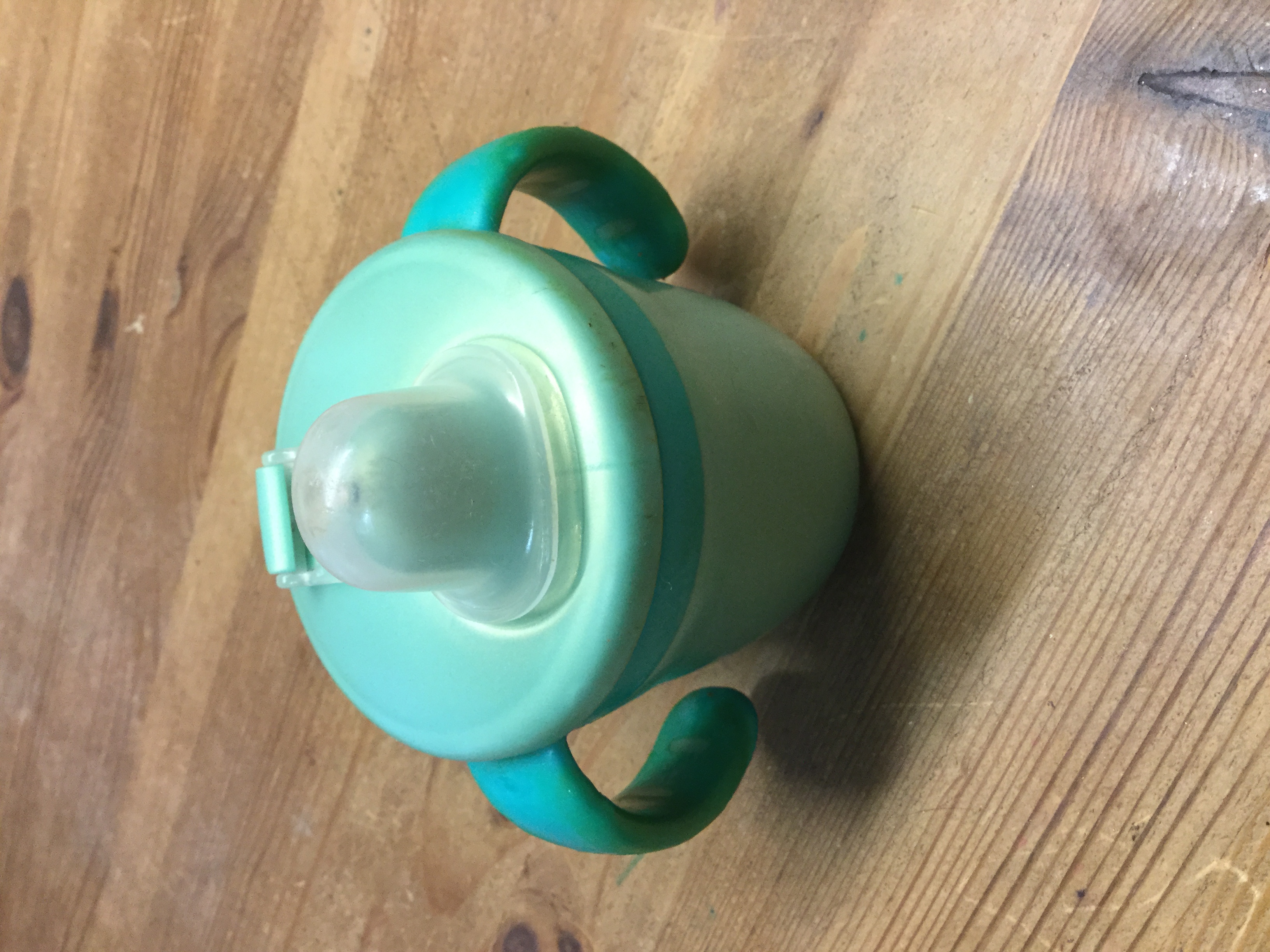
The original blue Tommee Tippee cup at the centre of #CupForBen.
Ben drinking from the cup that inspired #CupForBen.
These links are organised for journalists working to a deadline and leave out private staff pages.
The public LittleBlueCup website.
The fuller story of LittleBlueCup, #CupForBen, Millie and the work now.
Background context, previous coverage and media-enquiry guidance.
A plain-English explanation of Self Search, review, Featured Searches and Continuing Searches.
The Self Search-first route and guidance for families who want to begin.
The direct route for families who already understand the Self Search process.
Current public Searches where people may be able to help.
The values and behaviour boundaries that help keep Searches kind, safe and useful.
How reports, moderation and safety concerns are handled.
Practical guidance for safer searching, offers, postage and communication.
How Search photos, stories, audio, video and other content may be used.
How LittleBlueCup collects, stores and uses information.
The rules for using LittleBlueCup fairly and safely.
How supporters can help fund the work without buying approval, priority or promotion.
Millie’s wider work supporting parents with EHCPs, disability benefits, evidence and forms.
Millie’s public home for her wider family-support, technology and practical-tool work.
BBC Newsbeat’s 2017 feature marking ten years of Twitter hashtags.
The safest route for interviews, deadlines, permissions, approved images and follow-up questions.
For interviews, anniversary coverage, background, approved images, permissions, quotations or responsible coverage of a current Search, please contact LittleBlueCup.
Please include your name, organisation, deadline, intended format and what information or material you need.